What is acrylic render?
Acrylic render uses acrylic resin as a binder or modifier within a wall-coating product. The resin helps the material adhere to suitable prepared surfaces and can provide more flexibility than a conventional sand and cement mix. The exact composition and performance depend on the product.
The word ‘acrylic’ can describe a render, a texture coat or another layer in a complete system. A typical specification may include surface preparation, a compatible basecoat, reinforcement where required, primer, texture and a protective topcoat. Your quote should identify these layers so you know what is being applied.
See how texture coatings form the visible finish, or compare the base and finishing layers in our acrylic versus cement render guide.
Advantages of acrylic rendering
- Greater flexibility: some acrylic products tolerate minor substrate movement better than a conventional rigid render. They do not make a wall crack-proof.
- Options for different surfaces: specified systems can work with prepared masonry and certain lightweight wall products.
- A coordinated appearance: the base and finishing layers can be selected together for the texture and colour you want.
- Useful for renovations: compatible products may be suitable for assessed existing surfaces, including some sound coatings.
- Choice of texture: fine, medium or more pronounced finishes can be considered within the selected system.
Examples of acrylic rendering
These examples illustrate possible applications; the wall still needs assessment before a product is selected.
A painted masonry façade
After checking the existing paint and preparing the wall, a compatible acrylic system can create a more consistent surface ready for the chosen finish.
A specified AAC wall system
A builder may specify compatible basecoat, joint treatment, reinforcement and acrylic texture over an AAC panel façade. Each layer must suit the panel system.
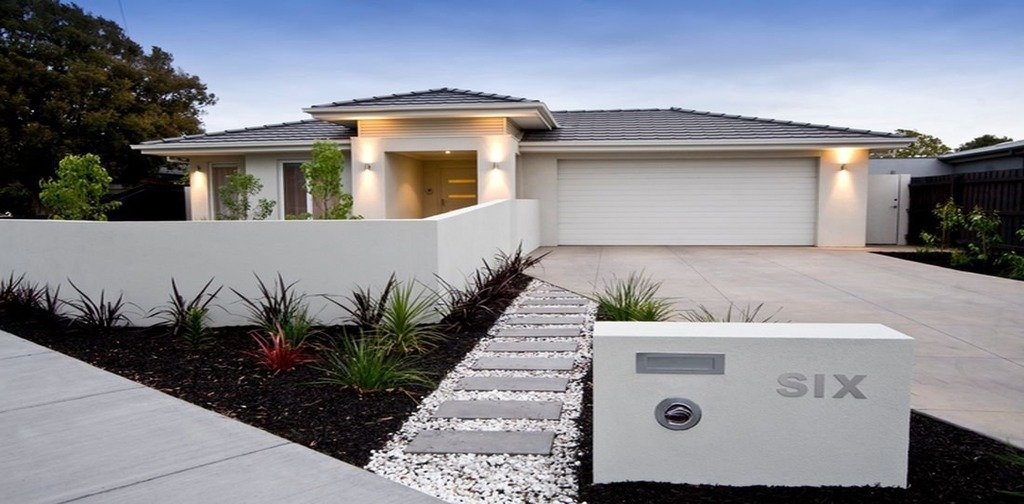
A fine-textured entrance
A fine-grain finish can bring continuity to an entry wall, porch and garage surround while retaining movement joints and carefully detailing adjoining materials.
Which surfaces can be considered?
Depending on the specified product, acrylic systems may be considered for sound brickwork, blockwork, concrete, AAC such as Hebel, fibre cement, blueboard and approved EPS cladding assemblies. These substrates are not interchangeable: joints, fixings, reinforcement and coating compatibility need separate attention.
Dincel and other permanent formwork require a system compatible with their surface. Loose paint, hollow render, dampness and salt deposits should be investigated first. Covering an unstable or wet wall with a new coating does not resolve the underlying problem.
Our substrate and render-system guide explains the different wall materials. If existing render is failing, start with the render-repair assessment process.
How an acrylic rendering project is planned
- Assess the wall. Identify the substrate, existing coatings, defects, access and exposure.
- Confirm the system. Agree preparation, basecoat, reinforcement, texture and any final protective coat.
- Approve the appearance. Review a sample for grain, colour and finish in the light at your property.
- Apply and cure. Follow the selected products’ requirements for weather, drying and recoating.
- Plan future care. Confirm cleaning, inspection and recoating guidance for the completed surface.
What affects an acrylic rendering quote?
Wall area, existing coating removal, repairs, building height, scaffolding, corners, openings and the complete coating specification all affect the scope. A single square-metre rate does not describe every project.
Compare the preparation, access and finishing items in a rendering quote before comparing prices.
For an enquiry in Newcastle, the Central Coast or Hunter Valley, send the address, wide photographs, close-ups of defects, approximate measurements and your preferred finish. Plans and finish schedules help us assess new-build and commercial enquiries.
Common questions
Is acrylic render the same as texture coating?
Not necessarily. An acrylic product may form a render layer or a texture layer. Ask which basecoat, texture and protective topcoat are included in the complete system.
Can acrylic render be applied over paint?
Some products are suitable over certain sound painted surfaces after testing and preparation. Loose or incompatible coatings may need removal. A site assessment is needed before confirming the approach.
Does acrylic render prevent cracks?
No render is a cure for structural movement. Product flexibility, substrate preparation, joints and reinforcement all matter. Existing moving cracks need investigation before a finish is selected.
How long does acrylic rendering take?
The programme depends on preparation, wall area, access, weather and the drying times of each product layer. We confirm a project-specific sequence rather than a universal completion time.
Product information & further reading
Product requirements vary. Use the current manufacturer information for the selected system.